Ensayos aerodinámicos de UAV de largo alcance: MALE, HALE y VTOL de ala fija
Por qué los UAV de ala fija de largo alcance —MALE, HALE y VTOL— requieren un enfoque de túnel de viento diferente al de las pequeñas aeronaves de rotores, y qué define a cada clase.
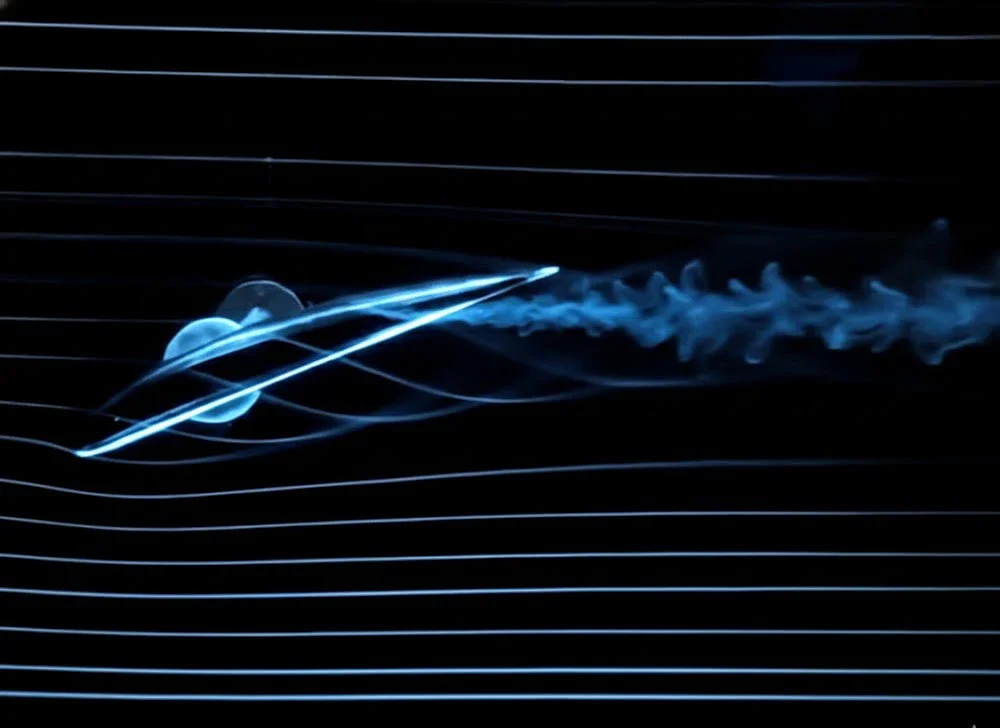
«UAV» abarca dos mercados que casi no se parecen en nada. Por un lado, los multicópteros y las plataformas FPV pequeñas: eléctricos, capaces de vuelo estacionario y medidos en kilogramos. Por otro, las aeronaves de ala fija, que vuelan a velocidad de crucero durante un día o más, a altitudes donde el aire es mucho más enrarecido que a nivel del suelo, y que cuestan tanto como la aviación tripulada, porque en casi todos los parámetros importantes para un túnel de viento, son aviación tripulada sin cabina.
Los UAV de largo alcance —las clases MALE, HALE y VTOL— constituyen el segundo mercado, y es este el que realmente justifica la construcción de un túnel de viento personalizado a gran escala.
1. Qué significan realmente MALE, HALE y VTOL
No son etiquetas de marketing: la OTAN los utiliza como una clasificación formal. La taxonomía de la OTAN para los UAV agrupa a las aeronaves de altitud media y gran autonomía (MALE ) y a las de gran altitud y gran autonomía (HALE ) en la Clase III, la categoría más grande, separada de la Clase I (pequeños) y la Clase II (tácticos).
Las aeronaves reales establecen límites concretos de altitud y autonomía:
| Aeronave | Clase | Envergadura | Techo de servicio | Autonomía |
|---|---|---|---|---|
| MQ-1C Gray Eagle | MALE | 17 m | ~8.800 m | ~25 h |
| Bayraktar Akıncı | MALE | — | ~12.300 m | 24+ h |
| MQ-9A Reaper | MALE | — | ~15.240 m | 27 h |
| Eurodrone | MALE | 30 m | ~12.200 m | hasta 40 h |
| MQ-9B SkyGuardian | MALE/en el límite de HALE | 24 m | ~12.200 m | 30–40 h |
| RQ-4B Global Hawk | HALE | 40 m | ~18.640 m | 32 h |
| PHASA-35 | HALE (estratosférico) | 35 m | 20.000+ m | 24 h |
VTOL es un eje independiente, no un tercer escalón de altitud: un número creciente de programas MALE y de clase táctica son aeronaves de ala fija que despegan y aterrizan verticalmente, convertiplanos o tailsitters, que sacrifican parte de la autonomía y capacidad de carga de un diseño puramente de ala fija a cambio de no depender de una pista. La variante VTOL de una plataforma MALE sigue siendo una plataforma MALE; simplemente añade una fase de transición a su envolvente de vuelo.
2. Por qué la aerodinámica es una disciplina diferente, no una versión ampliada de la misma
- La eficiencia aerodinámica de crucero es una variable económica. La misión de un MALE o HALE se vende en horas de autonomía y alcance, y ambas cifras se derivan casi directamente de la relación de sustentación/resistencia (L/D) en crucero. Un ala de gran alargamiento —la relación entre envergadura y cuerda de un Global Hawk se parece mucho más a la de un planeador que al brazo de un multicóptero— existe precisamente por esta cifra, y las pequeñas desviaciones en la predicción de la resistencia aerodinámica se traducen directamente en un déficit de horas de autonomía de la misión.
- Los números de Reynolds son un orden de magnitud mayores. Un UAV de largo alcance vuela más rápido y a mayor escala que una pequeña aeronave de rotores, situándose en un régimen de números de Reynolds más cercano al de la aviación general o los reactores ejecutivos que al de un cuadricóptero, lo que cambia la calidad de los datos del túnel de viento que resulta importante y la forma en que se construye el modelo.
- La altitud no es un detalle menor. Las aeronaves HALE vuelan en crucero donde la densidad del aire es una fracción de la del nivel del mar, lo que desplaza hacia abajo todo el rango útil de números de Reynolds, incluso con un aumento de la velocidad verdadera de vuelo. Este es un régimen con su propia lógica de ensayos, analizado en detalle en nuestro artículo sobre
.
- La estructura suele ser flexible por diseño. Un ala de gran alargamiento y alta resistencia intercambia rigidez por eficiencia aerodinámica, y esta flexibilidad interactúa con la aerodinámica de una manera que nunca hay que tener en cuenta en el modelo rígido de un dron pequeño, tema de nuestro artículo sobre
.
3. Sistema de propulsión: un conjunto de retos completamente diferente
Los pequeños UAV de rotores son impulsados por motores eléctricos que hacen girar hélices de unos pocos centímetros. Las plataformas MALE y HALE suelen estar equipadas con motores turbohélice o de pistón de combustible pesado , lo que implica la integración de la toma de aire y el escape, la resistencia del sistema de refrigeración y la interacción de una hélice de gran diámetro con la estructura a la velocidad y altitud reales de crucero. Estos son retos que simplemente no existen en un cuadricóptero eléctrico y que no se cubren con el ensayo en banco de una sola hélice. Nuestro artículo sobre
турбовинтовые и поршневые силовые установкиlo analiza en detalle.
4. Transición VTOL: un objetivo de ensayo distinto a la resistencia a ráfagas urbanas
Las plataformas VTOL de ala fija —convertiplanos y tailsitters de la clase MALE— necesitan ensayos a través del pasillo de transición entre la sustentación vertical y el vuelo de crucero: el punto donde la estela de la hélice cruza el ala en todos los ángulos, desde el vuelo estacionario hasta el vuelo horizontal, y donde la sustentación puede decaer antes de que el ala asuma el control del vuelo. Esta es una cuestión de ingeniería independiente de los ensayos de resistencia a vientos cruzados y ráfagas urbanas de nuestro artículo sobre eVTOL —otra clase de aeronave, otro tipo de fallo, otra matriz de ensayos—, y se aborda por separado en nuestro artículo sobre
переходные режимы VTOL самолётного типа.
5. Qué significa esto para las especificaciones de la instalación
El programa de ensayos para esta clase parte de cifras diferentes a las del programa para una pequeña aeronave de rotores:
- El tamaño de la sección de pruebas y la velocidad vienen determinados por el número de Reynolds de crucero, no por el bloqueo de un modelo pequeño. El modelo suele ser más grande en relación con la sección de pruebas, y la velocidad requerida es la velocidad real de crucero o de picado de la aeronave, no un rango cercano al vuelo estacionario.
- Balanzas diseñadas para un modelo más pesado y rápido , en lugar de balanzas ligeras especificadas para ensayos de la clase FPV.
- Simulación de altitud donde el perfil de la misión lo requiera : ajuste del número de Reynolds a la altitud real de crucero, no solo a las condiciones del nivel del mar.
- Instrumentación para la estructura junto con los datos aerodinámicos , si el ala es lo suficientemente flexible como para que el acoplamiento aeroelástico sea relevante.
- Integración del sistema de propulsión en el plan de ensayos desde el primer día : la toma de aire, el escape y la interacción de la hélice con la estructura no son un complemento de la campaña MALE/HALE, sino su núcleo.
6. Qué significa esto para su programa
Indíquenos la clase de aeronave, la altitud de crucero y el tipo de sistema de propulsión , y diseñaremos una instalación y una matriz de ensayos para una plataforma de ala fija de largo alcance, no una adaptación de un túnel de viento para pequeños rotores. Materiales relacionados:
обледенение и всепогодная сертификацияpara esta clase de aeronaves.
Fuentes y notas
- Clasificación de la OTAN para UAV (las clases I/II/III, MALE y HALE se agrupan en la Clase III): NATO Joint Air Power Competence Centre, «C-UAS: Introduction».
- Tabla de características de las aeronaves (envergadura, techo de servicio, autonomía) para MQ-1C Gray Eagle, Bayraktar Akıncı, MQ-9A Reaper, Eurodrone, MQ-9B SkyGuardian, RQ-4B Global Hawk y PHASA-35: «MALE and HALE drone developments: Evolving existing systems and introducing new aircraft», European Security & Defence, junio de 2025.
- La eficiencia aerodinámica de crucero y el gran alargamiento como factores económicos determinantes de los UAV de ala fija de gran autonomía, así como el régimen de números de Reynolds y altitud, distinto al de las pequeñas aeronaves de rotores, son prácticas de ingeniería de TunnelTech, desarrolladas con cifras confirmadas en nuestros artículos sobre la aerodinámica a gran altitud de los HALE y sobre la aeroelasticidad de las alas de gran autonomía.
Solicite una consulta
Hable sobre su programa de ensayos de UAV de largo alcance con nuestros ingenieros