Tecnologia de túnel de vento open-flow
TT JetFly — treinamento open-flow para unidades táticas e de defesa
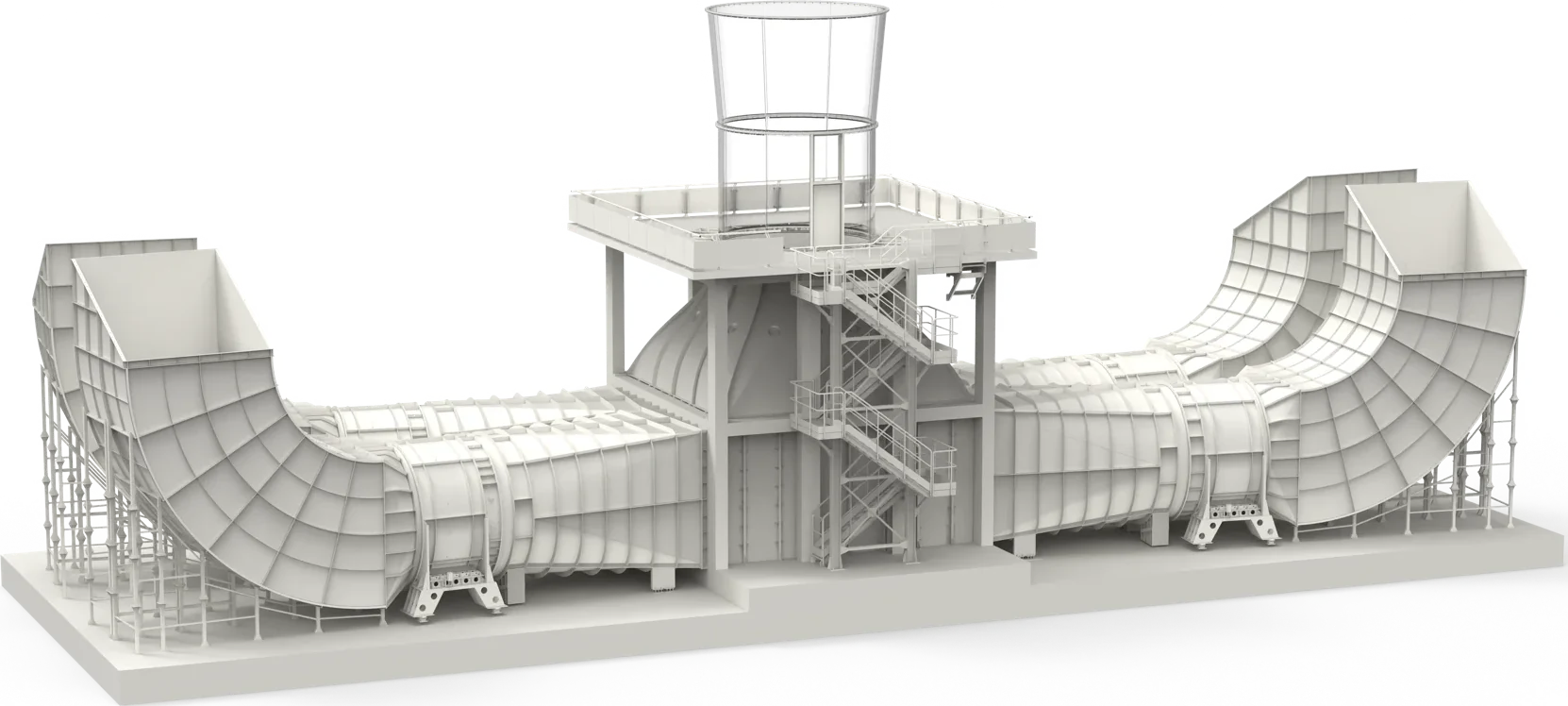
Um túnel de vento open-flow projetado para treinamento de queda livre em grupo — até oito voadores simultaneamente — sem a necessidade do edifício que um túnel recirculante exige.
O TT JetFly puxa o ar diretamente através de uma câmara de voo de 4,8 m em vez de recirculá-lo em um circuito fechado, reduzindo os custos de obras civis e o espaço que um programa de treinamento de defesa precisa financiar.
Por que open-flow
Um túnel recirculante precisa de um edifício ao seu redor. Um túnel open-flow não.
Um túnel de vento recirculante — a linha TT-PRO da TunnelTech entre eles — move o ar em um circuito fechado, o que significa que o próprio circuito deve ser confinado: um duto de retorno, controle climático e um edifício dimensionado para conter tudo isso. Esse confinamento representa uma grande parte do custo civil de um projeto e, em uma base ou complexo de treinamento, costuma ser a parte que leva mais tempo para ser aprovada e construída.
O TT JetFly, por outro lado, puxa o ar diretamente: entra por uma boca de sino, sobe por uma câmara de voo de 4,8 m e sai pela outra. Nada recircula, então não há duto de retorno nem edifício para construir ao redor — apenas a própria estrutura do túnel, uma torre de acesso e uma fundação.
Configuração open-flow (não recirculante)
Dimensionado para treinamento de Formation Skydiving (FS) em equipe, não para voo solo.
Capacidade da câmara para uma equipe completa de Formation Skydiving (FS), de acordo com o conceito de engenharia JetFly da TunnelTech.
Duas elevações conceituais do estudo de engenharia do JetFly
Renderizações do trabalho conceitual open-flow da TunnelTech, apresentadas aqui como estudos de engenharia em vez de uma instalação construída.
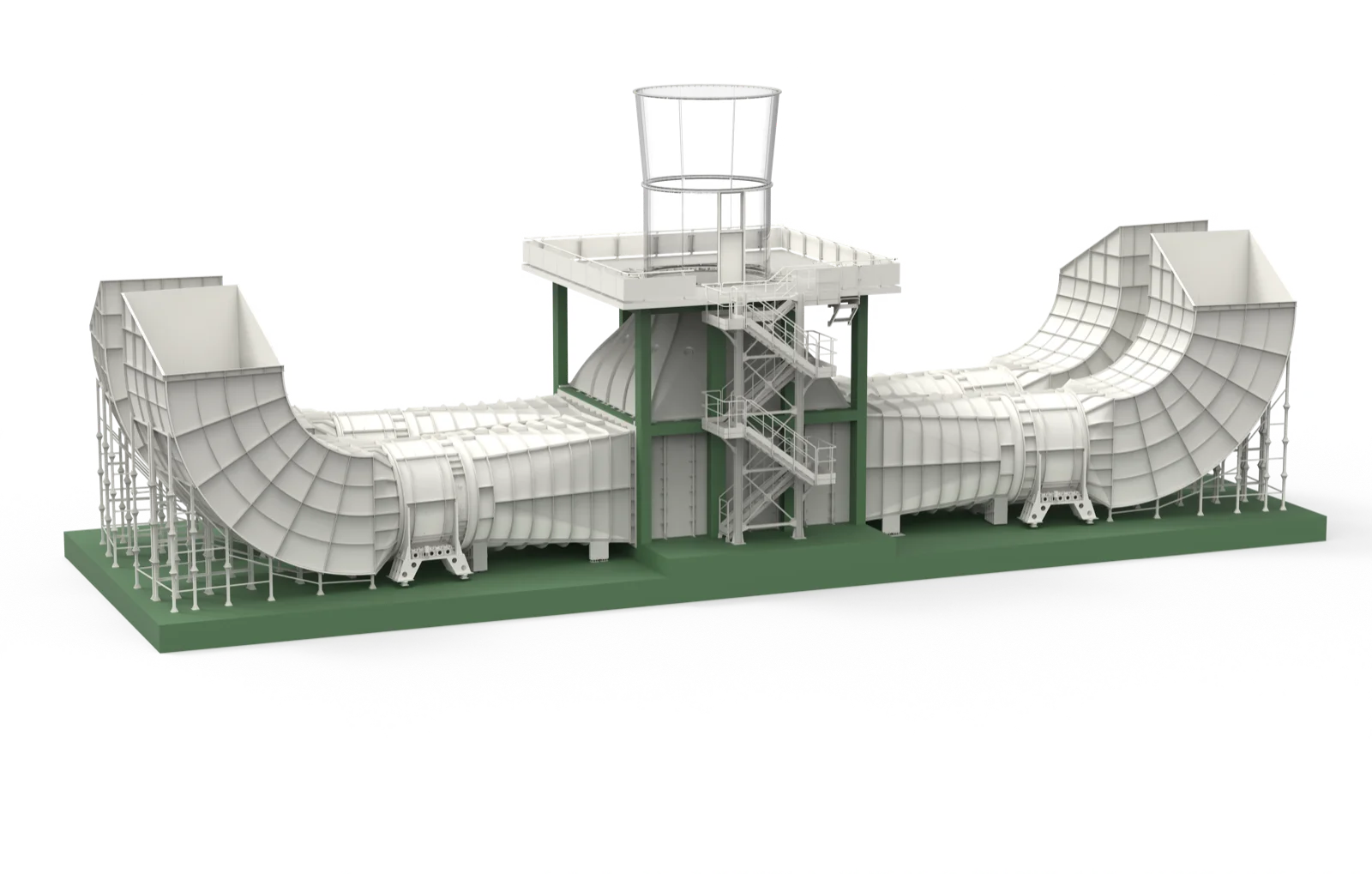
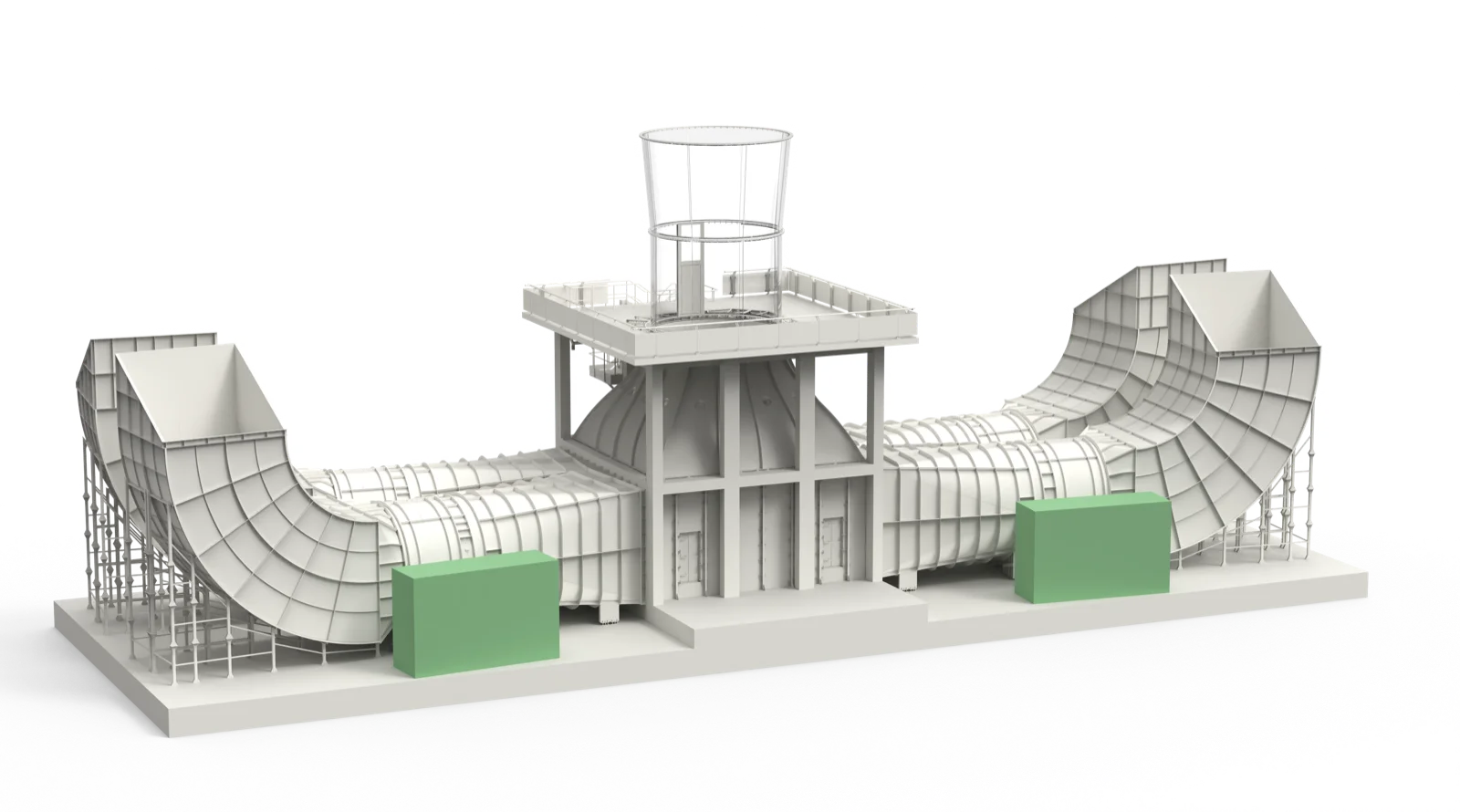
Apenas renderizações conceituais. A geometria final, os materiais e o esquema de cores são definidos durante a engenharia do projeto.
Tecnologia central
Fluxo de ar direto, projetado para treinamento em grupo
A mesma disciplina de engenharia por trás dos túneis recirculantes TT-PRO da TunnelTech — seleção de ventiladores, projeto de dutos, engenharia de vidros — se aplica à configuração open-flow; apenas a topologia do circuito muda.
O mercado hoje
Os túneis open-flow são uma categoria consolidada no treinamento de defesa
Túneis de vento open-flow e ao ar livre para treinamento militar e tático não são uma ideia nova: o formato está em serviço nas forças armadas há bem mais de uma década, com instalações em dezenas de países. O que define a categoria é simples — o ar atravessa em linha reta, sem duto de retorno nem prédio dedicado — o que coloca um simulador de queda livre ao alcance de uma base ou centro de treinamento que nunca poderia abrigar um túnel de recirculação.
A posição da TunnelTech no treinamento de defesa até agora tem sido no lado recirculante do mercado: túneis TT-PRO entregues a clientes nomeados das forças armadas e do governo abaixo. O JetFly estende essa mesma equipe de engenharia para a categoria open-flow, para clientes que desejam isso do fabricante em que já confiam para seu programa recirculante, em vez de uma relação com um segundo fornecedor.
Túneis de vento entregues desde 2014 — a base de engenharia sobre a qual o JetFly é construído.
Até oito voadores ao mesmo tempo, mais um instrutor na câmara.
Altura da câmara de 7,2 m, até 8 voadores.
Clientes nomeados das forças armadas, polícia e governo em nossa linha recirculante TT-PRO.
As referências da TunnelTech são as publicadas em nossa cobertura do treinamento militar de queda livre; as instalações específicas do JetFly ainda não são públicas.
TunnelTech + EVG Lufttechnik
A mesma engenharia de ventiladores e dutos, independentemente de o circuito ser fechado ou não
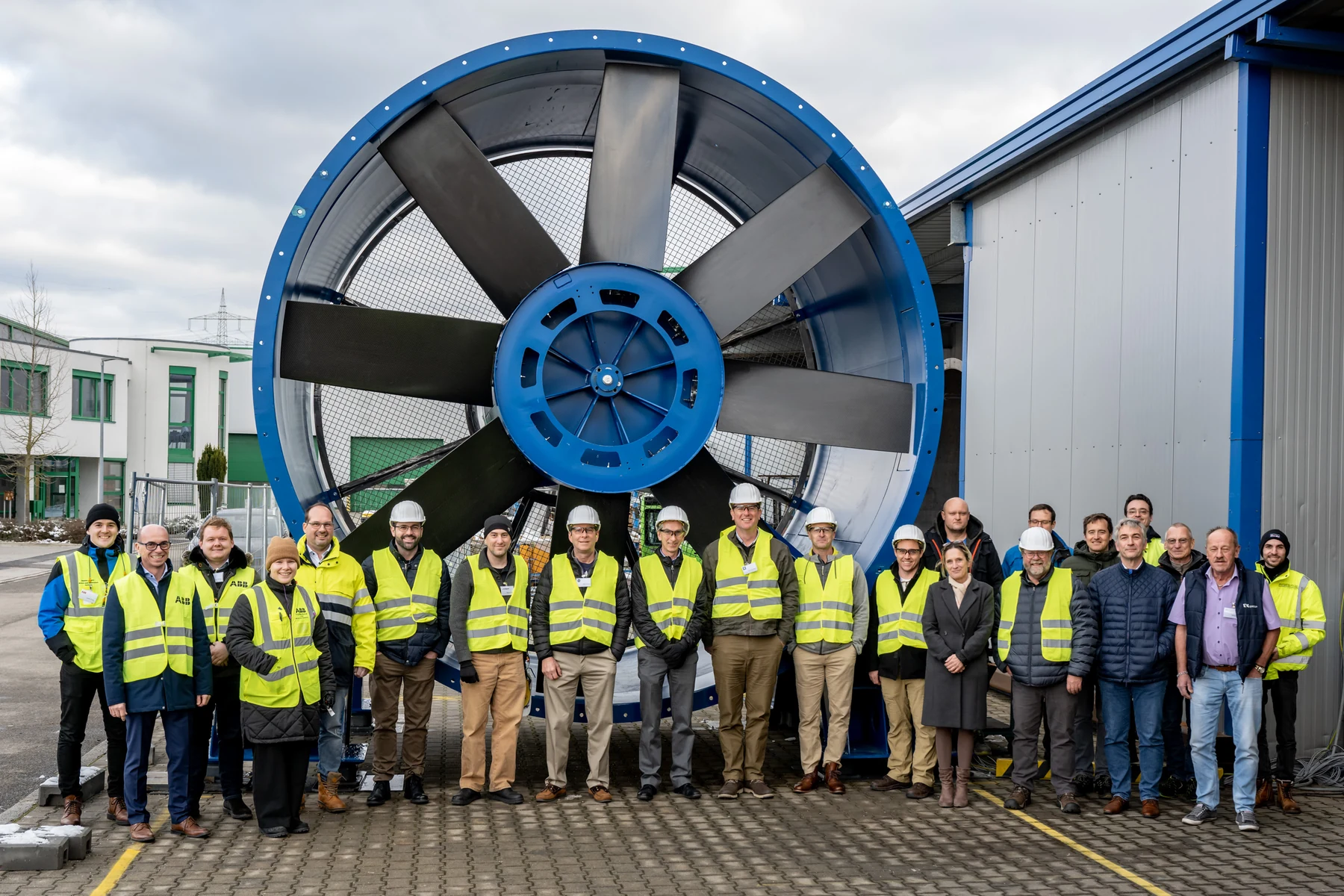
A TunnelTech é acionista da EVG Lufttechnik GmbH, nossa parceira estratégica de longa data. A EVG atua na engenharia de ventiladores industriais desde 1977 e fabrica ventiladores axiais desde 1987.
Os dutos de admissão e exaustão do JetFly são projetados pela mesma equipe e com os mesmos padrões dos dutos de circuito fechado em nossos túneis TT-PRO — a topologia do circuito muda, mas a disciplina de engenharia não.
O que uma instalação de nível de defesa deve fornecer
O treinamento militar e policial traz requisitos que um túnel de lazer não tem
As especificações detalhadas da série PRO e do JetFly para clientes de defesa identificados vão além de uma ficha técnica publicada. Esses são os requisitos que moldam cada proposta.
Fabricação real. Locais de projeto reais.
A mesma linha de produção dos nossos túneis recirculantes
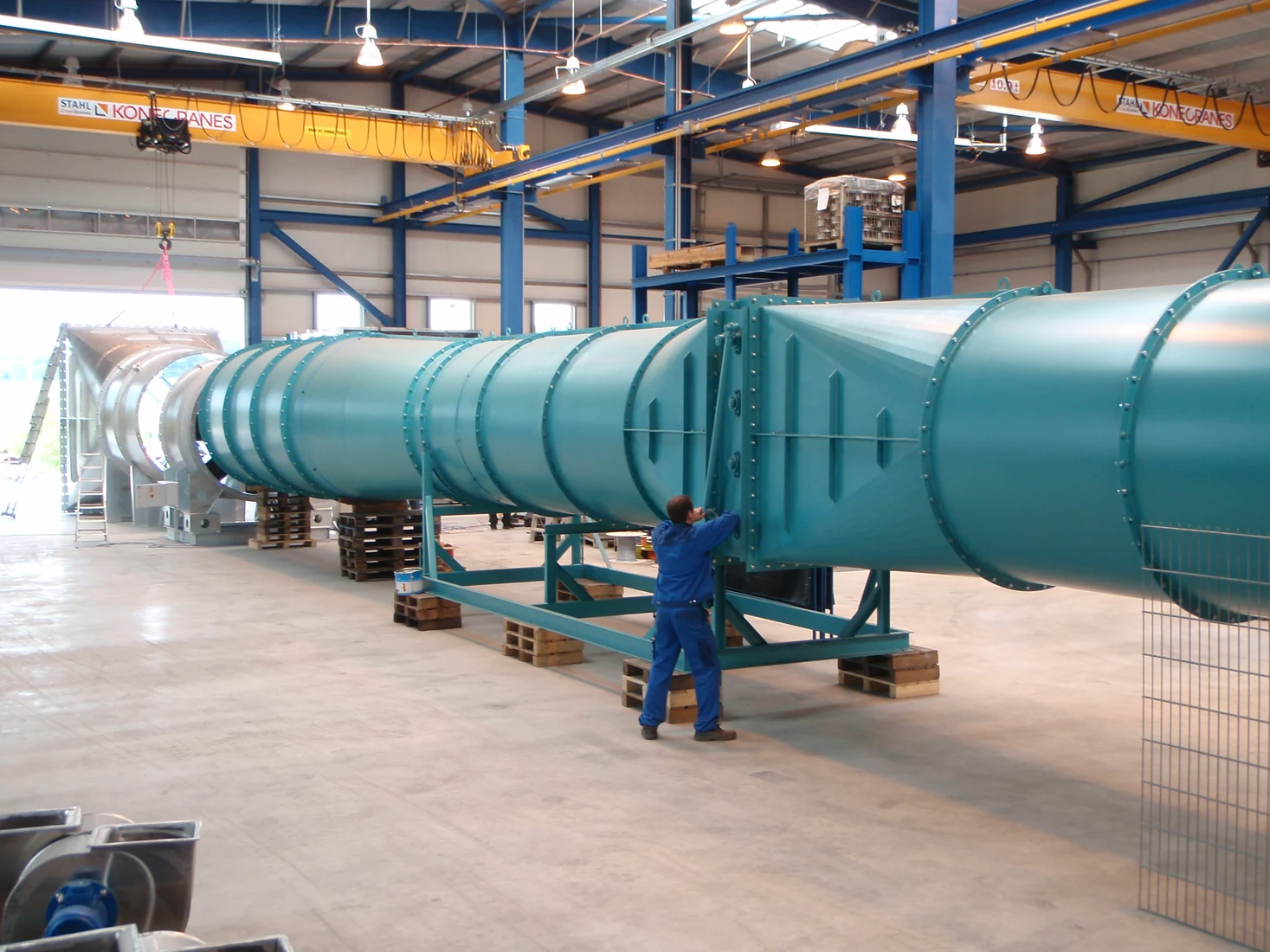
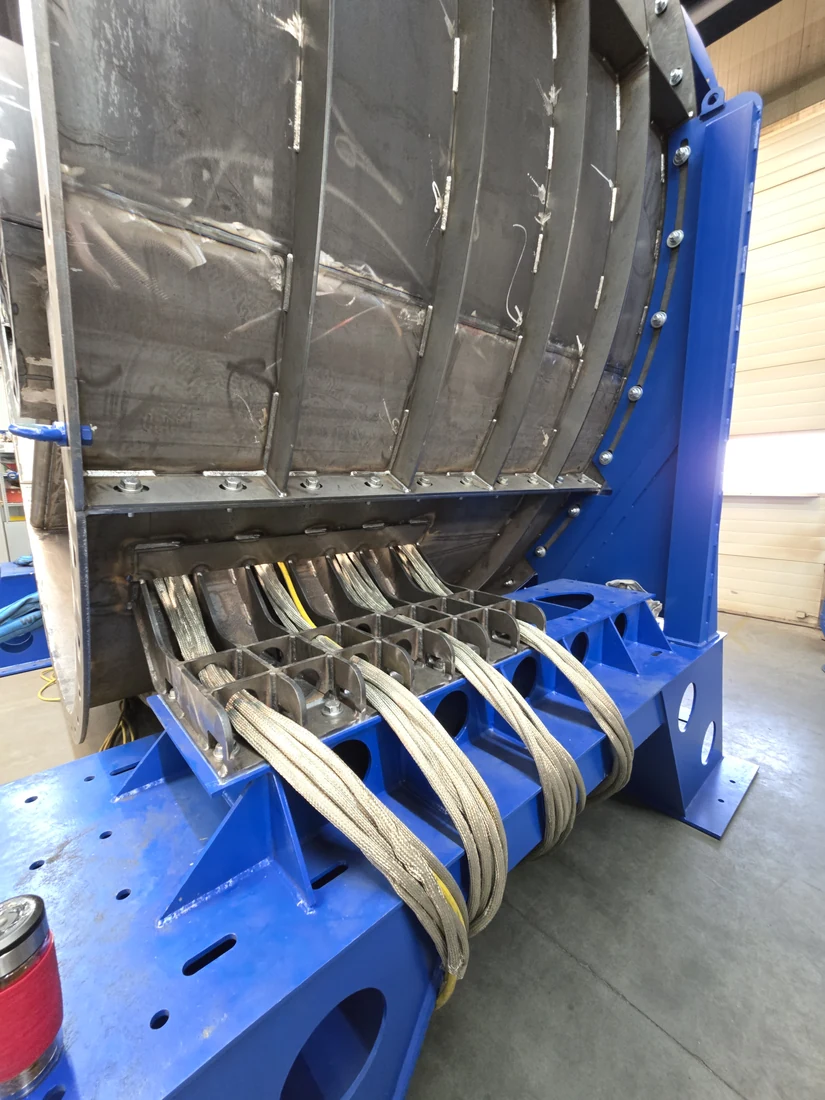
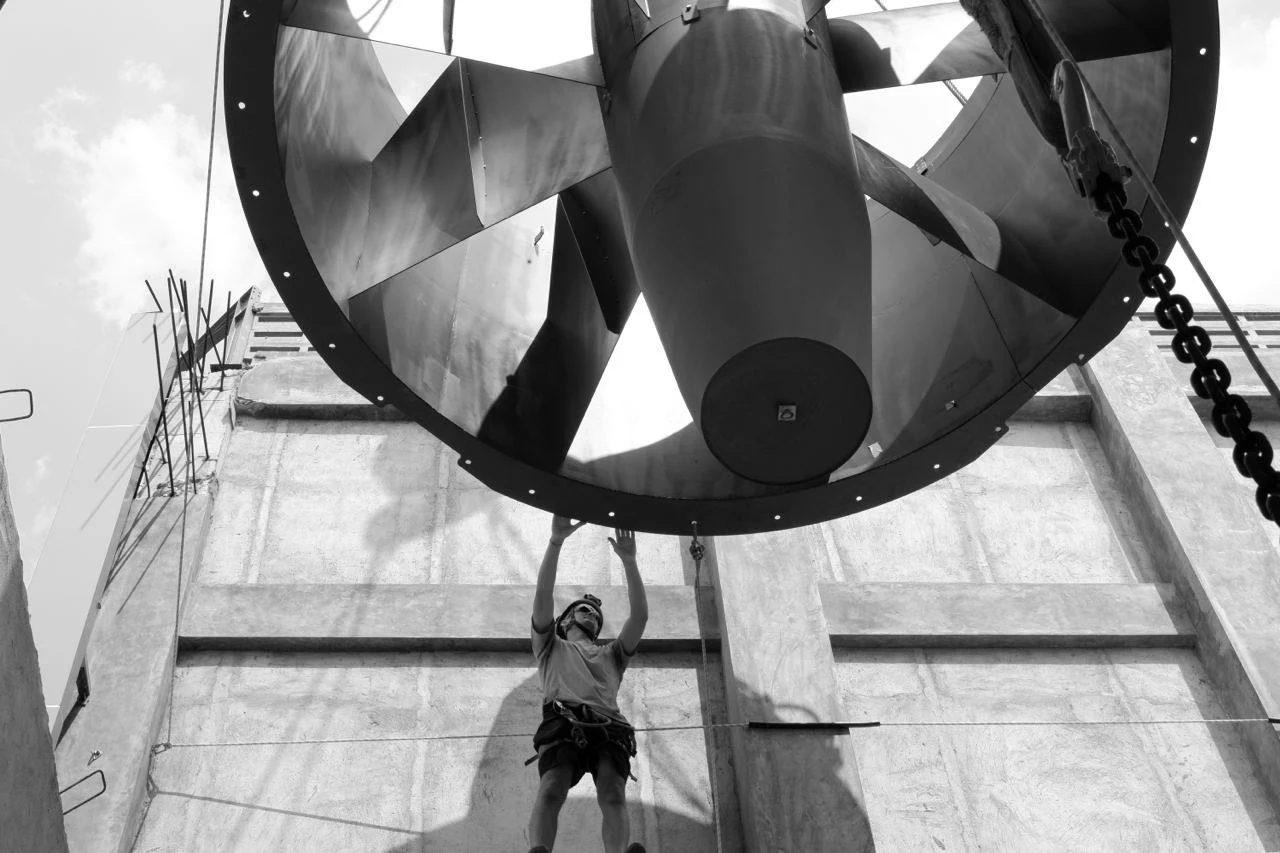
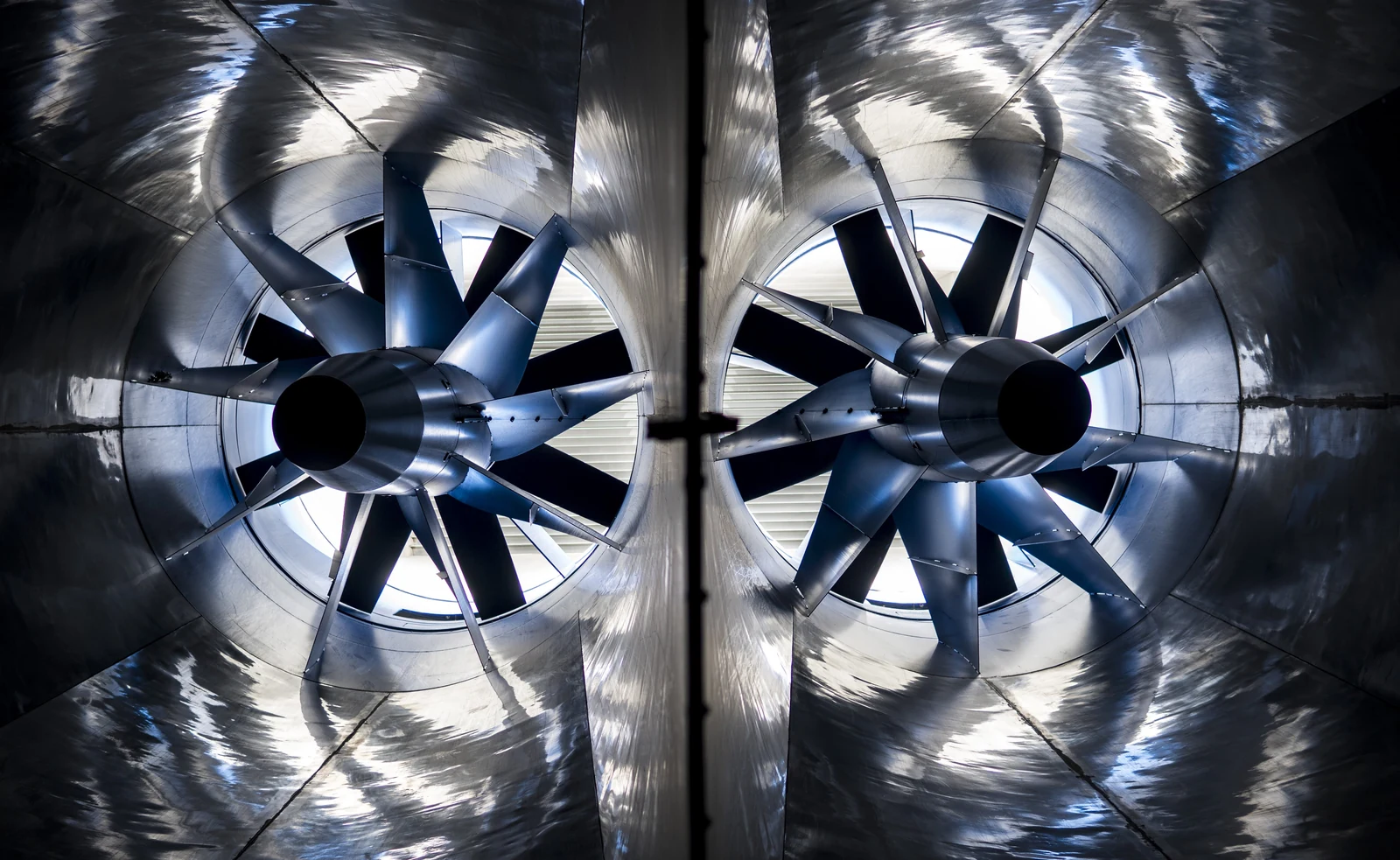
Trabalho real de fabricação e instalação de projetos da TunnelTech — os ventiladores, dutos e vidros do JetFly saem da mesma linha de produção dos nossos túneis TT-PRO.
Responsabilidade de projeto de ponto único
Do requisito do programa a uma instalação operacional
- 1
Requisitos e análise do local
Capacidade de alunos, cargas de equipamentos, tamanhos de grupos e restrições do local.
- 2
Projeto aerodinâmico e estrutural
Dimensionamento da câmara de voo, seleção de ventiladores e engenharia de dutos de admissão/exaustão para o circuito open-flow.
- 3
Fabricação
Ventiladores, dutos, vidros e controles fabricados em Stuttgart.
- 4
Instalação e comissionamento
Fundação, estrutura e sistemas instalados no local, seguidos por testes de aceitação.
- 5
Treinamento de instrutores e entrega
Quadro de instrutores treinado e certificado antes de a instalação entrar em serviço.
Responsabilidade de ponto único, documentação e suporte adequados a um programa de aquisição de defesa.
Comece com o seu programa
Diga-nos quem você está treinando e quantos são.
Especificações detalhadas do JetFly são fornecidas sob solicitação para clientes identificados de defesa e governo. Nossa equipe de engenharia traduzirá sua capacidade de atendimento, cargas de equipamentos e restrições do local em um conceito inicial de instalação.